The Hay and Kofi Table: A Journey Through History, Design, and Function
The Hay and Kofi Table: A Journey Through History, Design, and Function
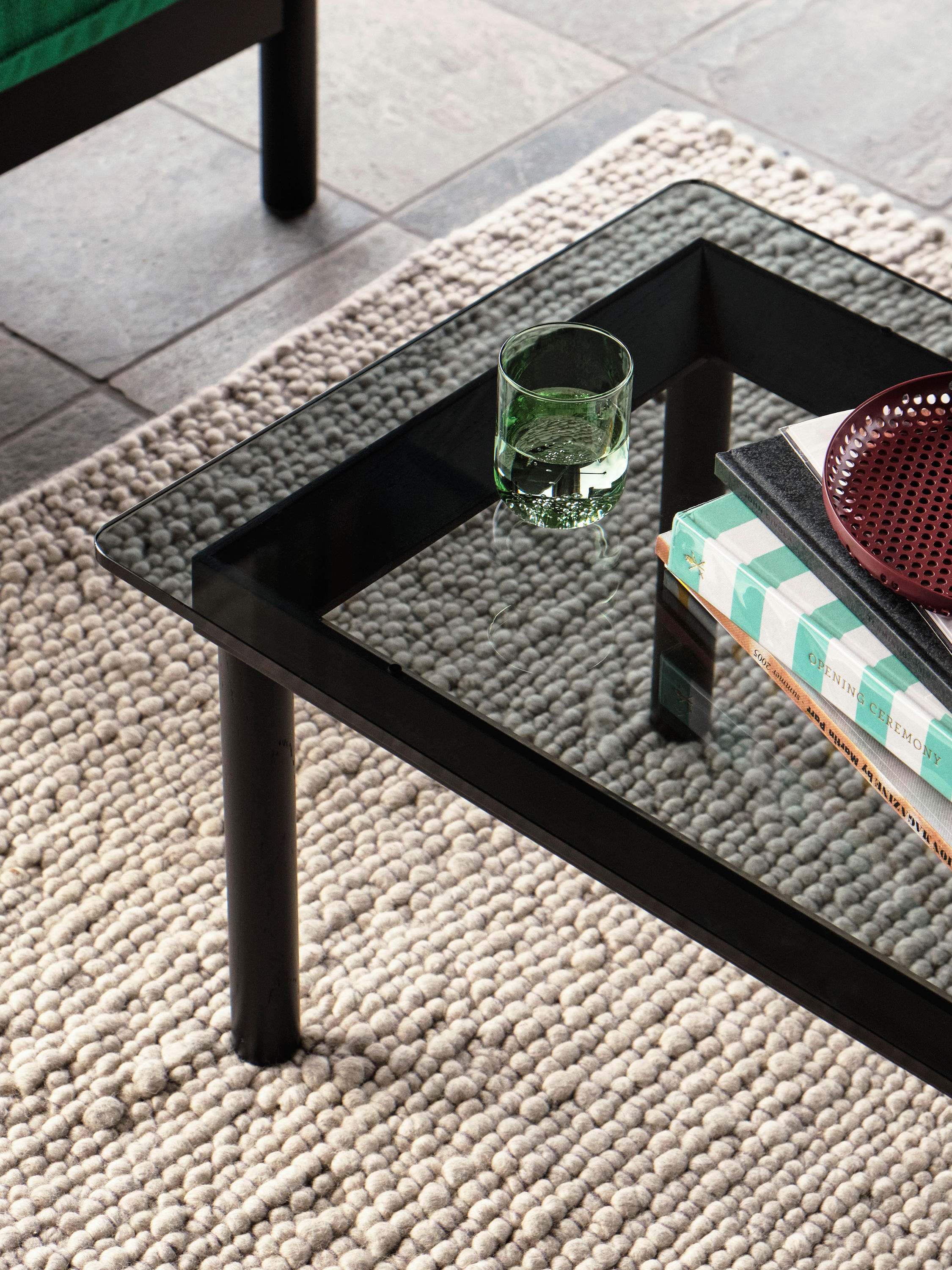
The hay and kofi table, a seemingly simple piece of furniture, holds within its design a rich tapestry of history, cultural influence, and practical utility. This article delves into the fascinating world of this humble table, exploring its origins, evolution, and enduring appeal.
From Humble Beginnings: The Hay Table
The hay table, as its name suggests, originated in rural settings where practicality reigned supreme. Its primary function was to provide a sturdy and easily movable surface for tasks like preparing hay for livestock, sorting grains, or simply serving meals in the field.
The earliest hay tables were likely crafted from readily available materials like rough-hewn planks of wood, often supported by simple trestle legs. These tables were designed to be lightweight and easily disassembled, allowing for convenient transportation and storage.
The Evolution of the Hay Table
Over time, the hay table evolved from its purely utilitarian origins. As woodworking techniques advanced and aesthetics became more important, the table began to incorporate decorative elements. Carved legs, turned spindles, and intricate joinery became common features, transforming the hay table into a more refined piece of furniture.
The introduction of metal hardware, such as hinges and latches, further enhanced the functionality and durability of the hay table. This allowed for the creation of folding and adjustable tables, making them even more versatile for a range of tasks.
The Kofi Table: A Cultural Fusion
The kofi table, a close relative of the hay table, emerged in the context of West African culture. This table, often crafted from hardwoods like mahogany or teak, served as a central gathering point for families and communities.
The kofi table’s design is characterized by its sturdy construction, often featuring intricate carvings and decorative elements. Its height is typically lower than the traditional Western table, allowing for a more relaxed and intimate seating arrangement.
The Hay and Kofi Table in Contemporary Design
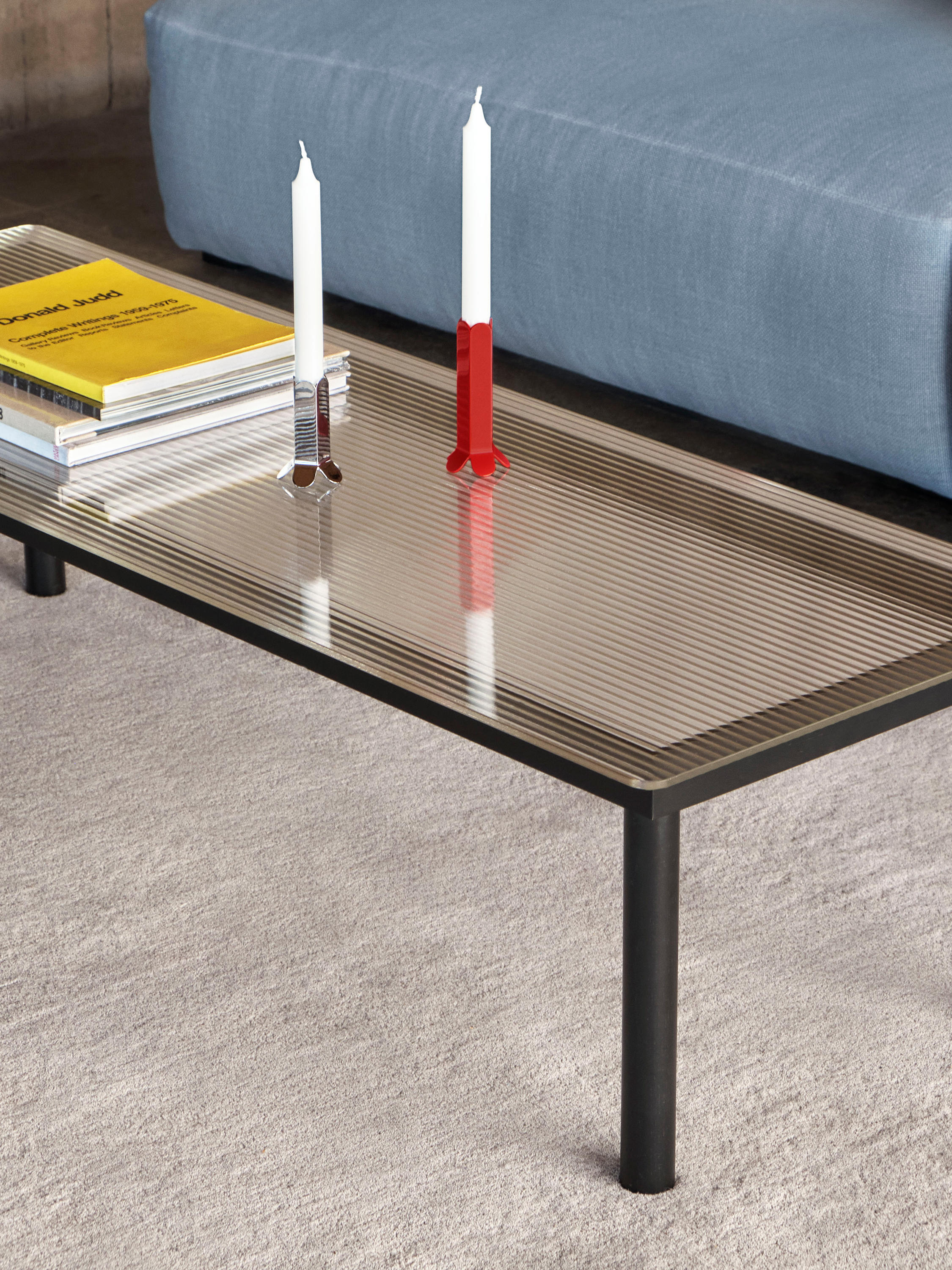
Today, the hay and kofi table continue to inspire designers and furniture makers. Their simplicity, functionality, and inherent beauty make them ideal for a variety of settings, from modern homes to rustic farmhouses.
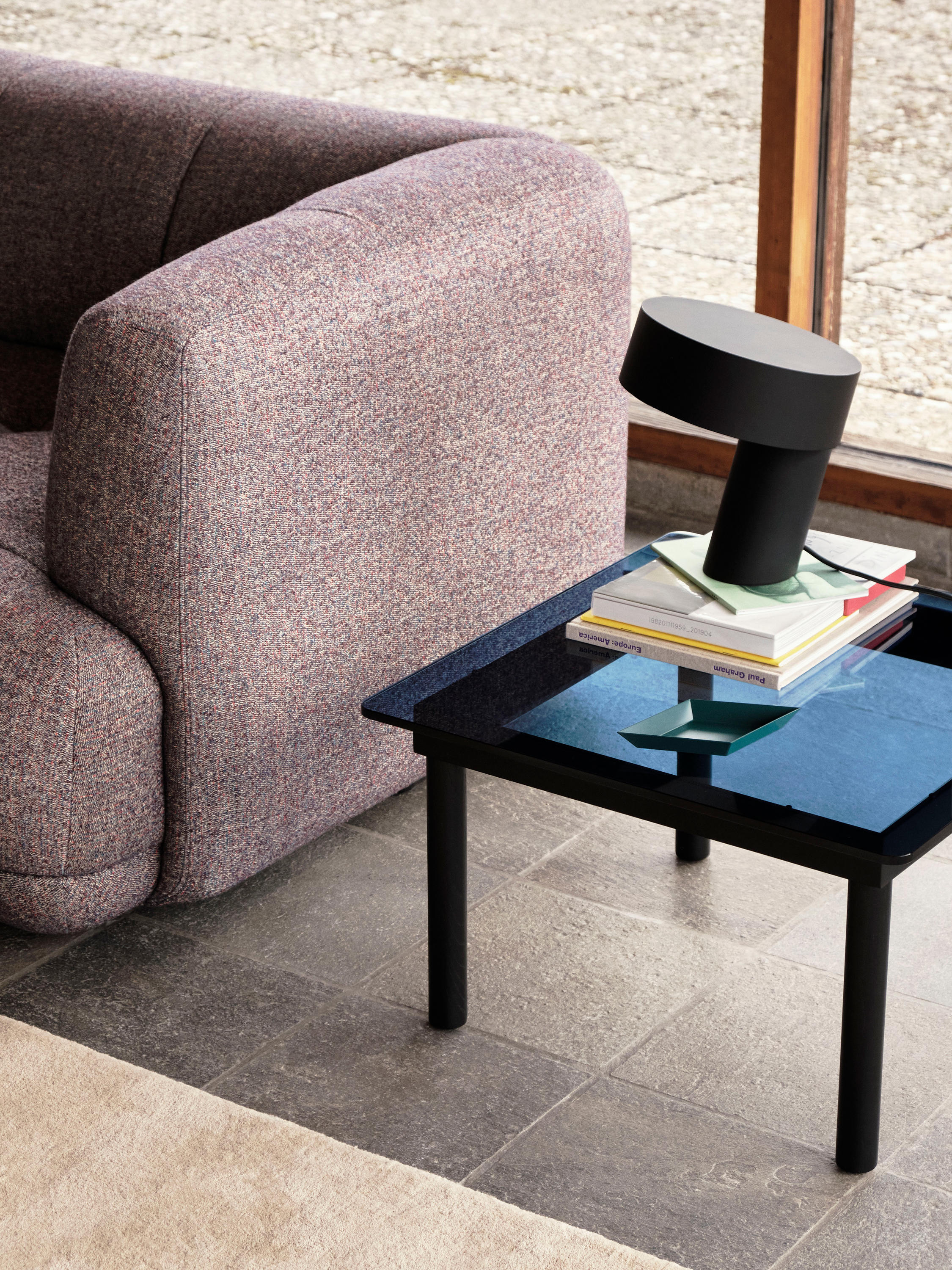
Contemporary interpretations of the hay and kofi table often incorporate innovative materials and techniques. Metal, glass, and reclaimed wood are frequently used to create unique and eye-catching designs.
The Enduring Appeal of the Hay and Kofi Table
The enduring appeal of the hay and kofi table lies in its versatility, adaptability, and timeless elegance. It is a piece of furniture that can seamlessly transition from a functional work surface to a stylish centerpiece.
Here are some reasons why the hay and kofi table remains a popular choice:
- Versatility: The table’s simple design and adjustable height make it suitable for a wide range of uses, from dining and working to displaying decorative items.
- Durability: Crafted from sturdy materials and often featuring robust construction, the hay and kofi table is built to last.
- Aesthetics: The table’s natural beauty and rustic charm complement a variety of interior design styles, from farmhouse chic to minimalist modern.
- Cultural Significance: The kofi table, in particular, holds a special place in West African culture, representing community, hospitality, and shared experiences.
- Sustainability: The use of natural materials and often reclaimed wood aligns with contemporary values of sustainability and environmental consciousness.
The Hay and Kofi Table: A Symbol of Simplicity and Functionality
The hay and kofi table, in its various forms, stands as a testament to the enduring power of simplicity and functionality. It is a piece of furniture that has transcended time and cultures, serving as a constant reminder of the importance of practicality and beauty in our everyday lives.
Beyond the Table: Exploring the Legacy
The influence of the hay and kofi table extends beyond the realm of furniture. Its design principles have inspired countless other objects, from coffee tables and side tables to desks and even outdoor furniture.
The table’s focus on functionality, durability, and natural materials has become a guiding principle for contemporary design, promoting a sense of simplicity, sustainability, and timeless elegance.
The Hay and Kofi Table: A Timeless Classic
In conclusion, the hay and kofi table is more than just a piece of furniture. It is a symbol of history, culture, and design. Its journey from humble beginnings to contemporary interpretations speaks to its enduring appeal and its ability to adapt to changing times.
Whether you are looking for a functional work surface, a stylish centerpiece, or a piece of furniture with a rich history, the hay and kofi table offers a timeless solution. Its simple elegance and enduring practicality make it a true classic, a testament to the enduring power of good design.
Also read: Kacamata Viral
Posting Komentar untuk "The Hay and Kofi Table: A Journey Through History, Design, and Function"